
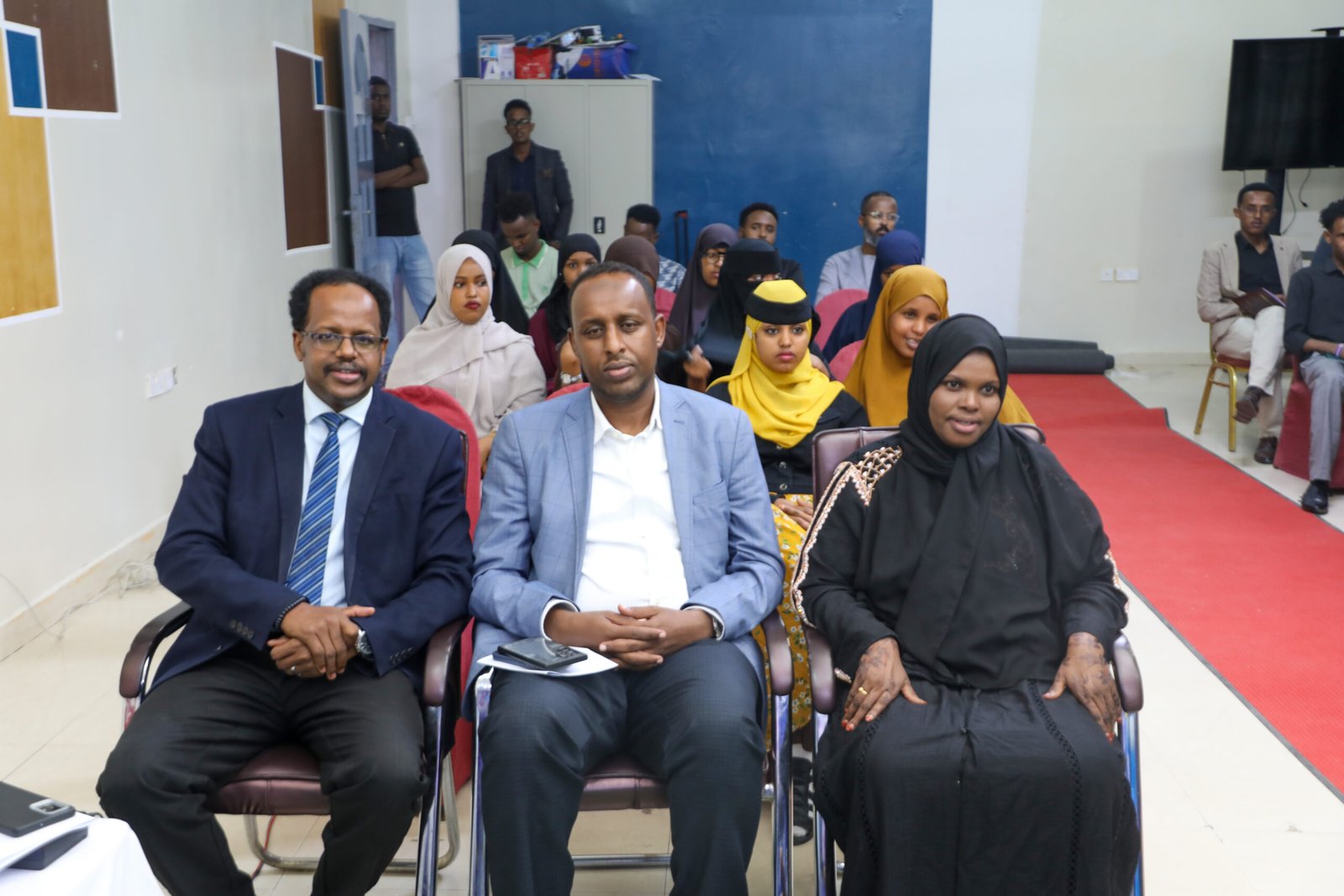
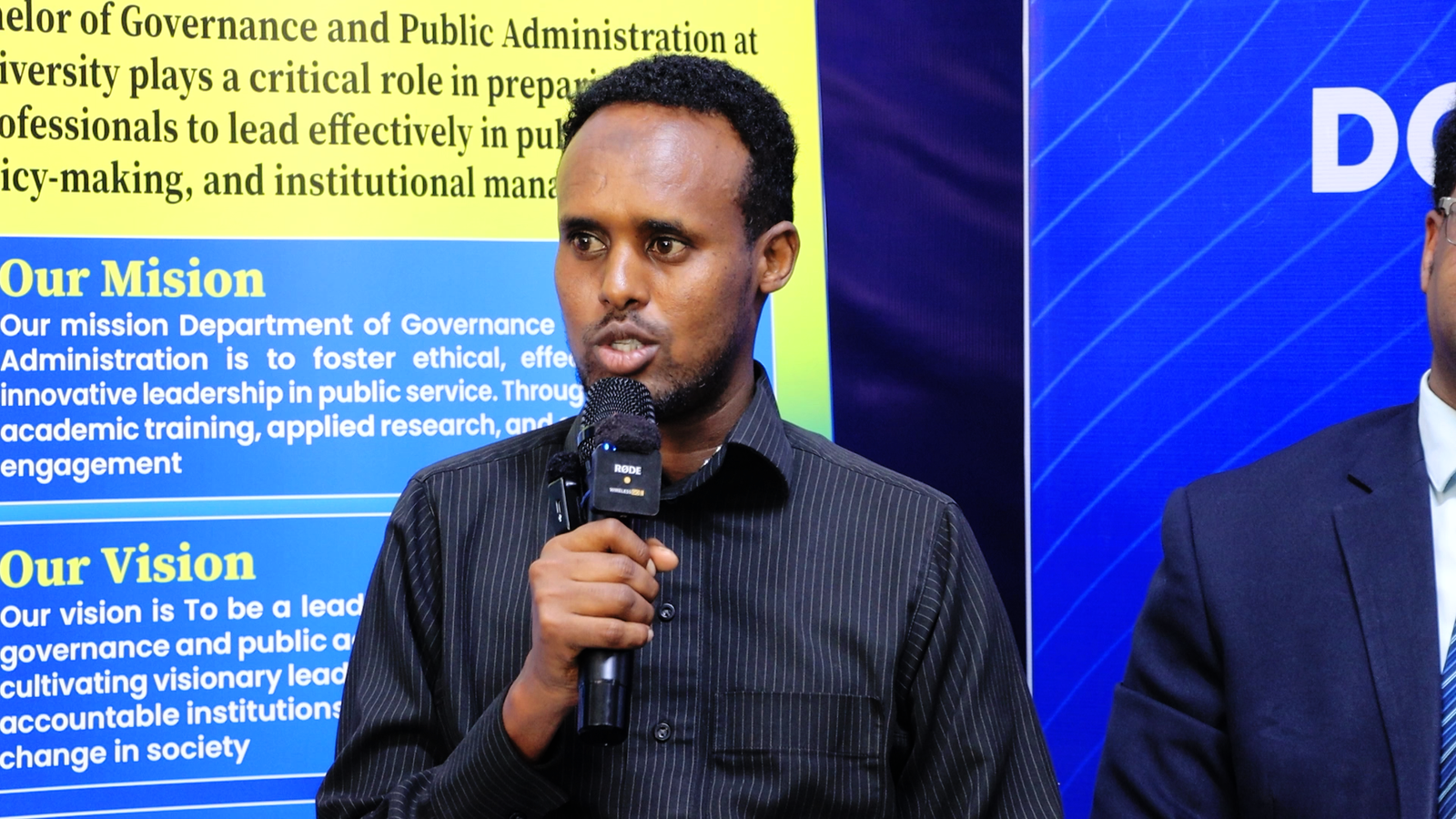
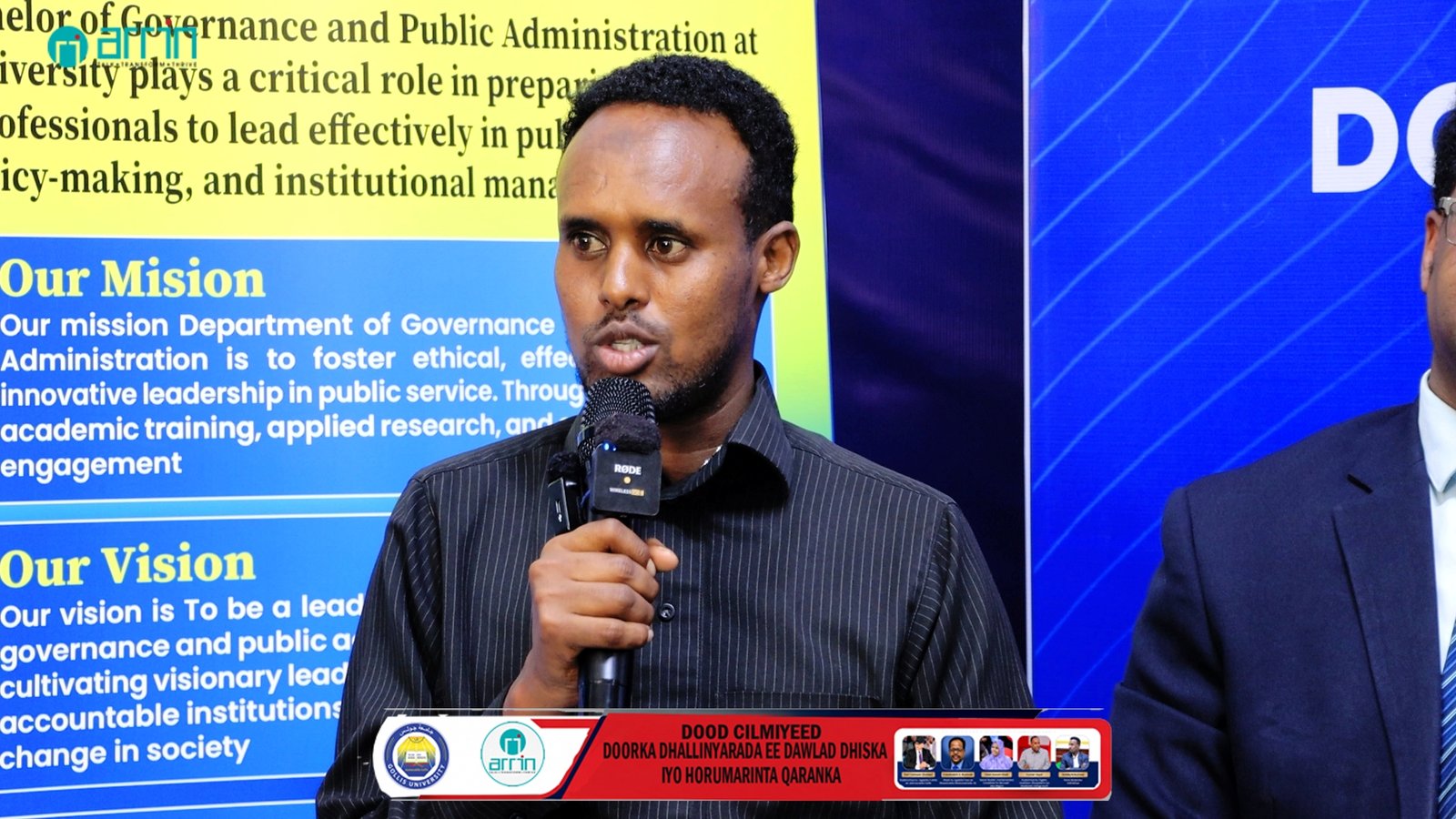
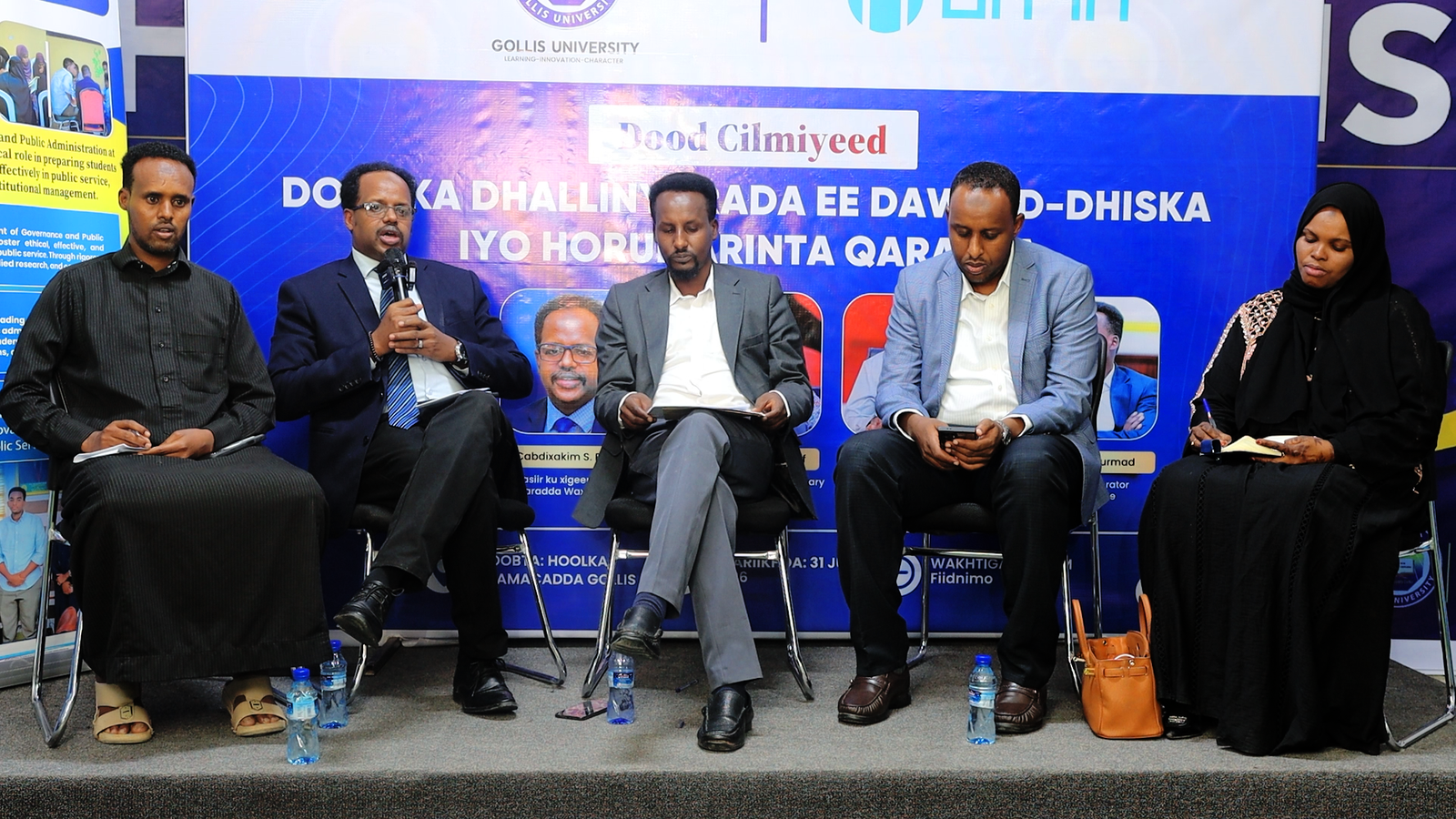
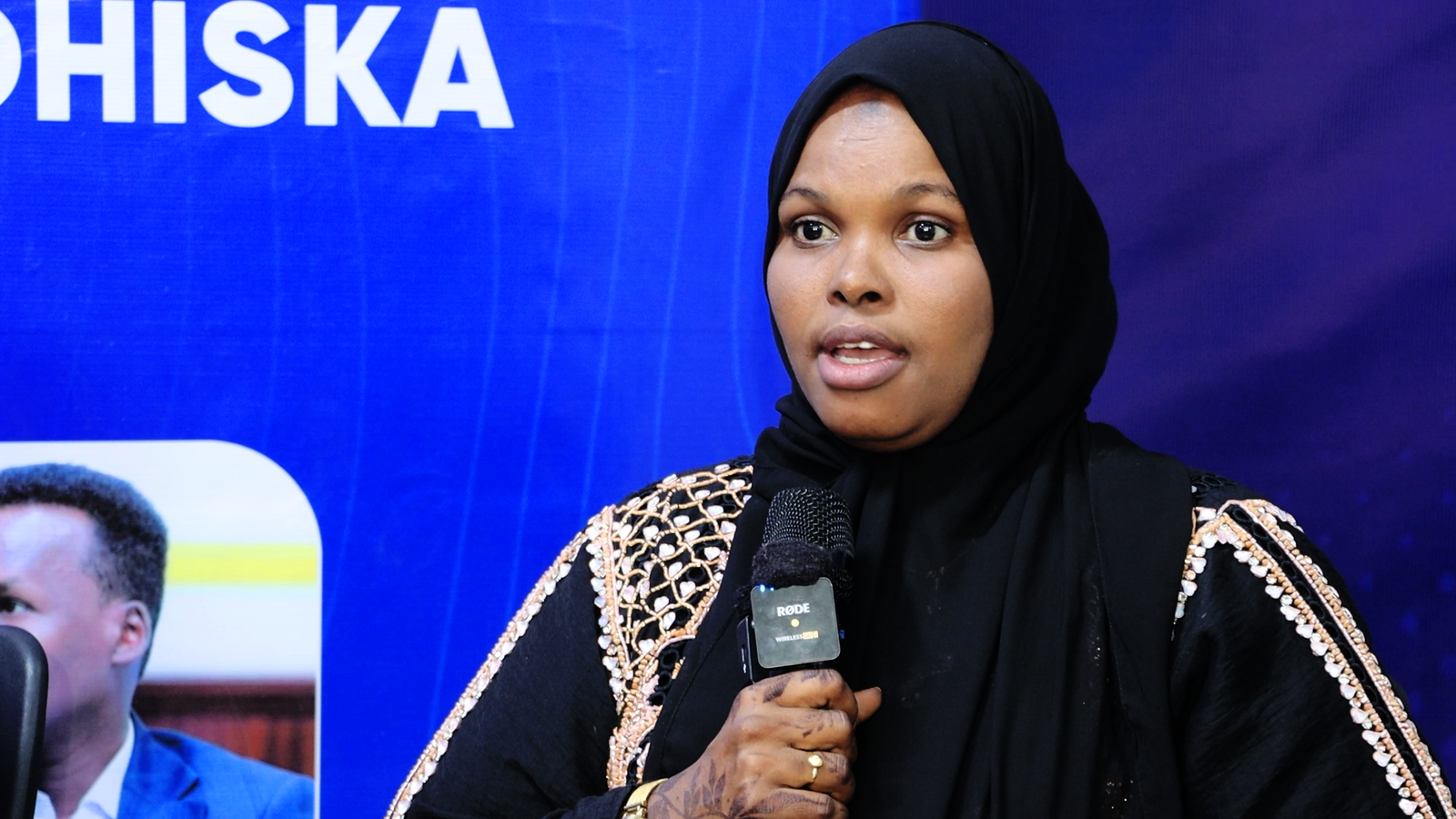
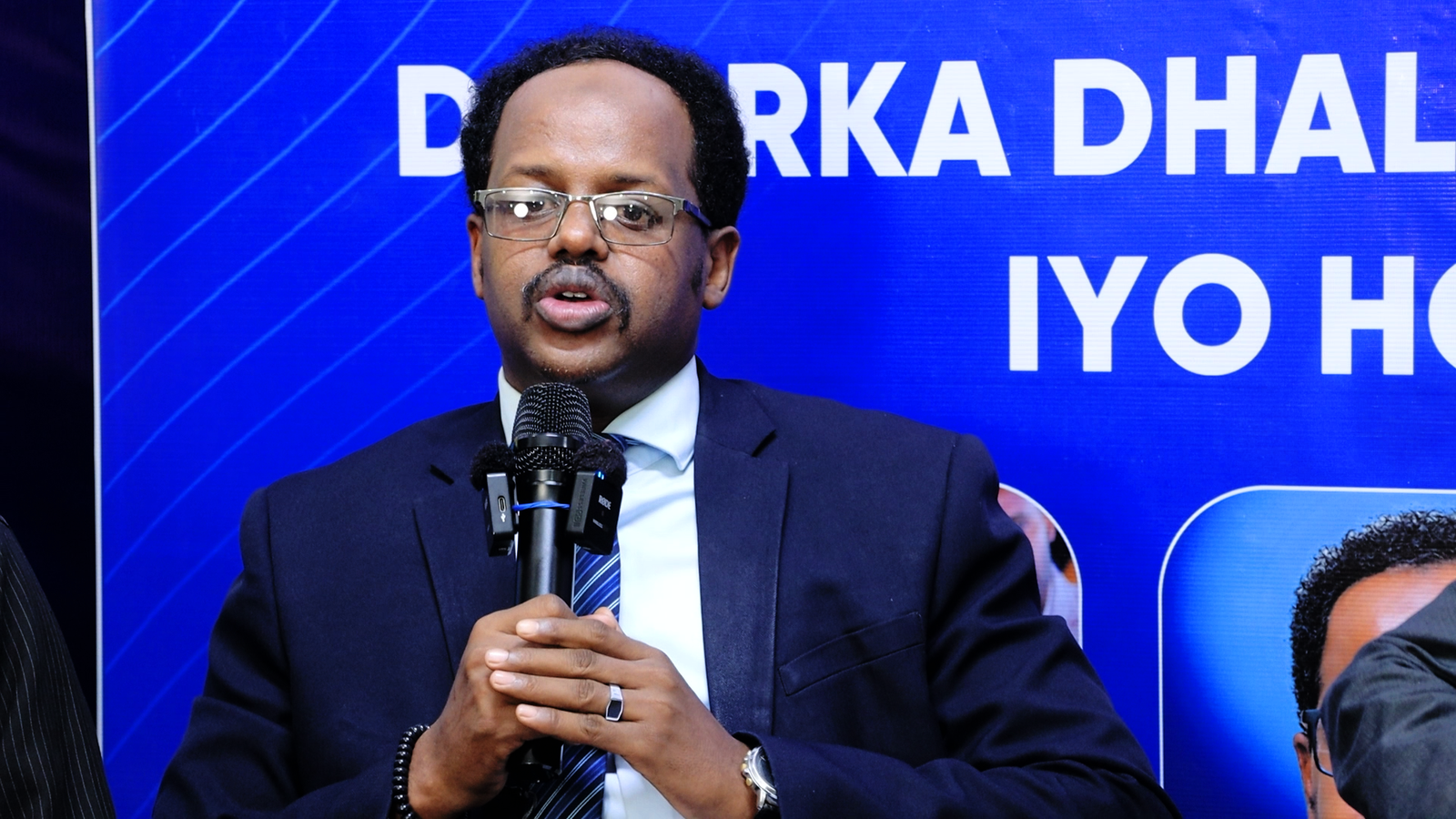
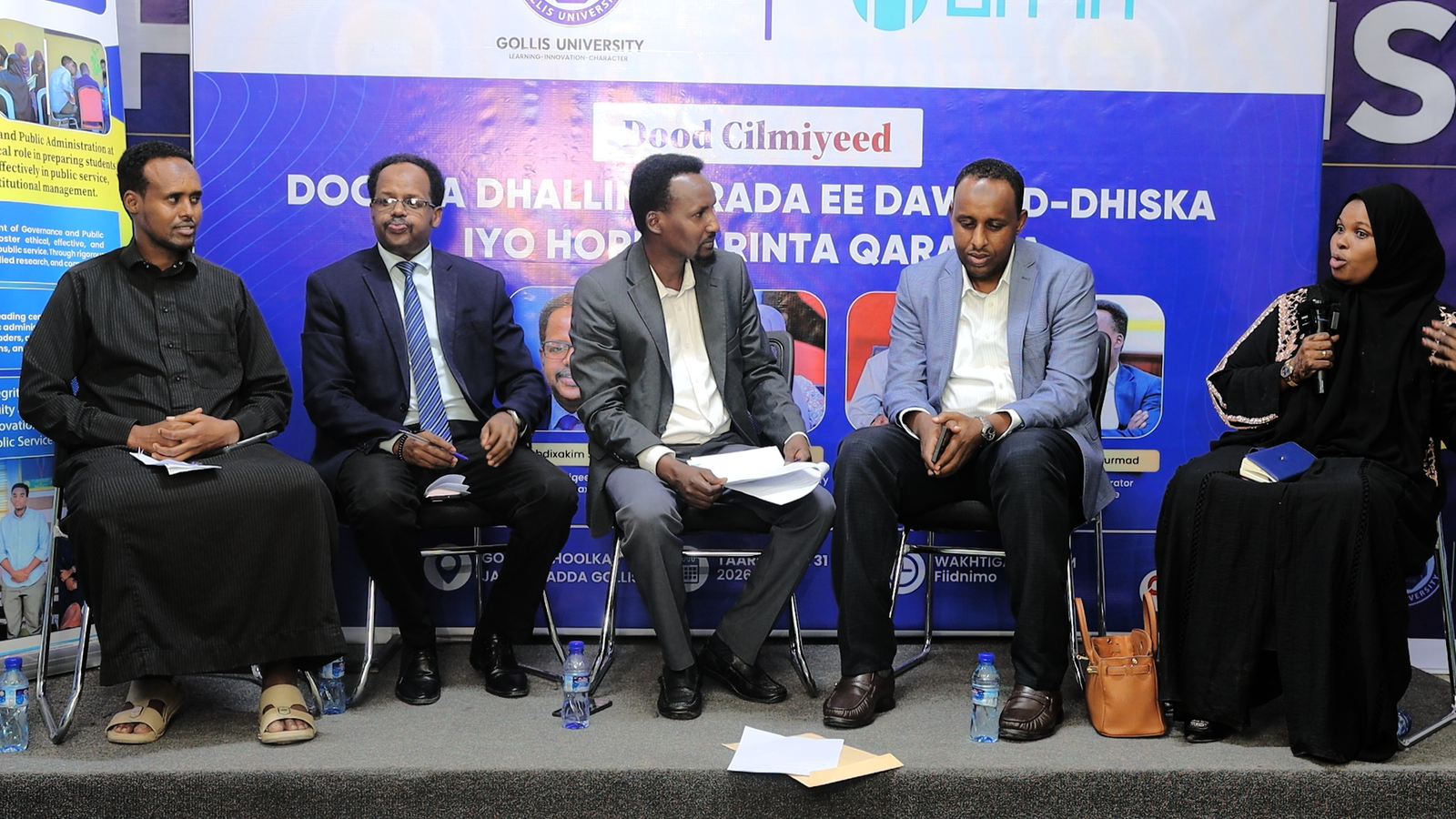
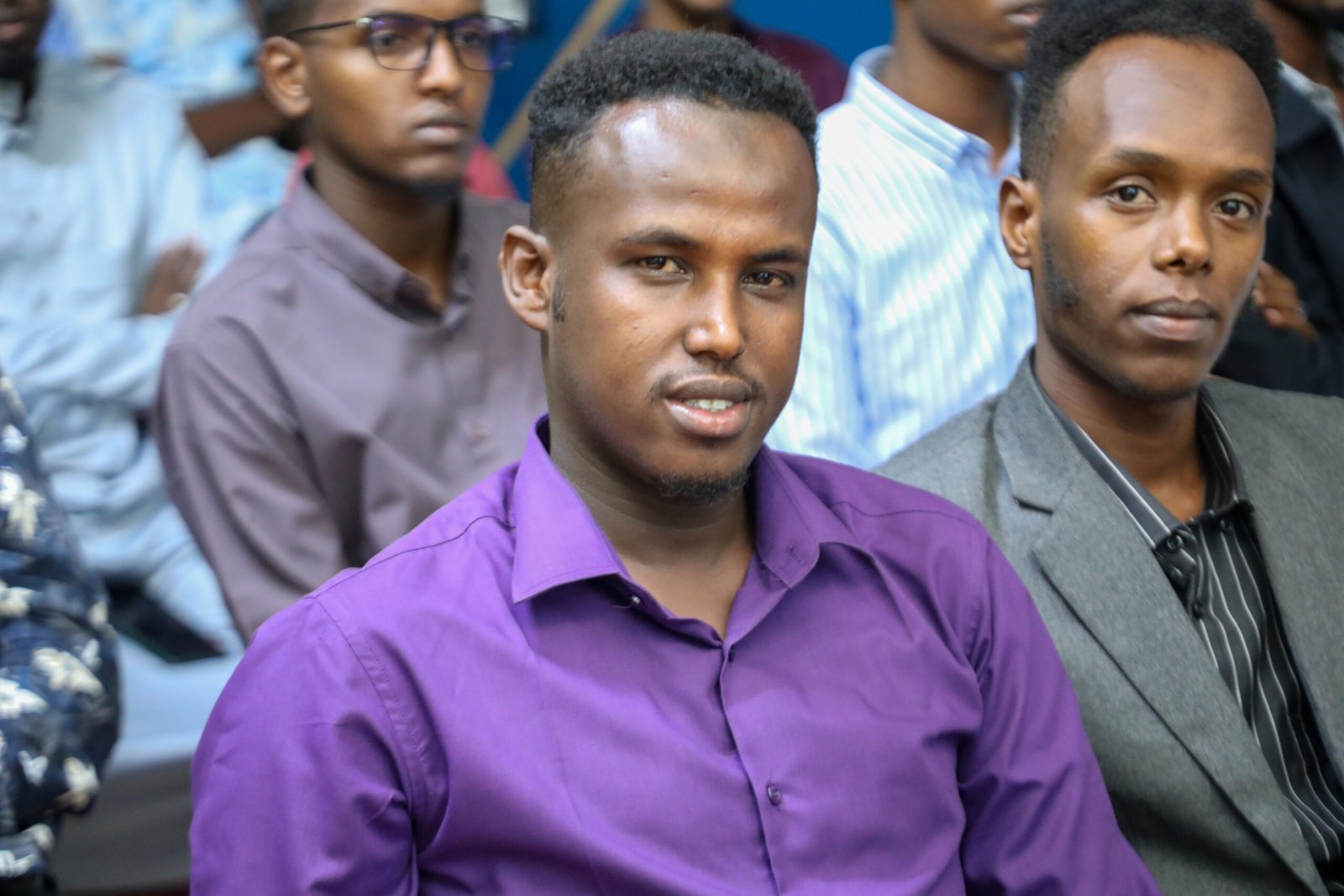
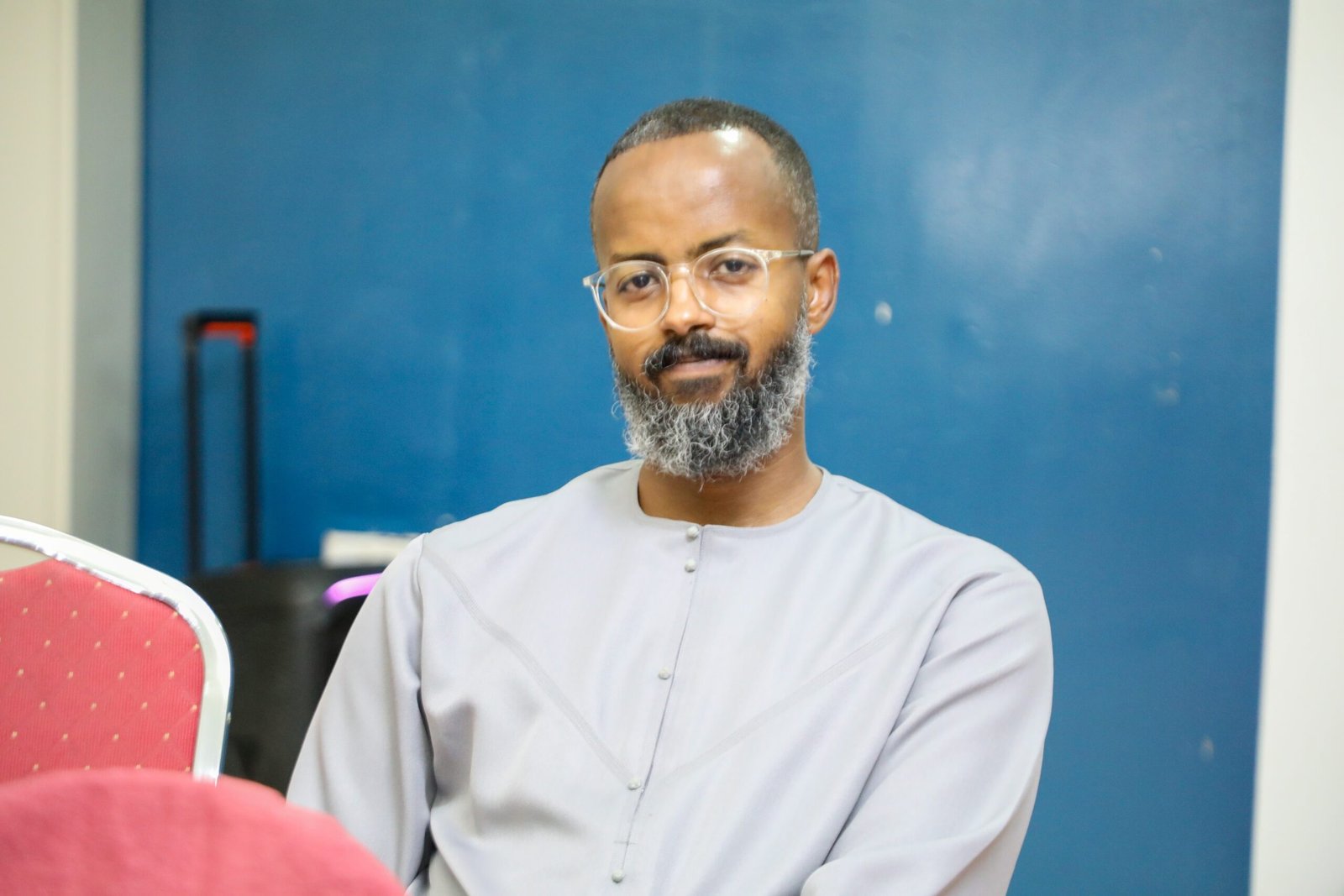
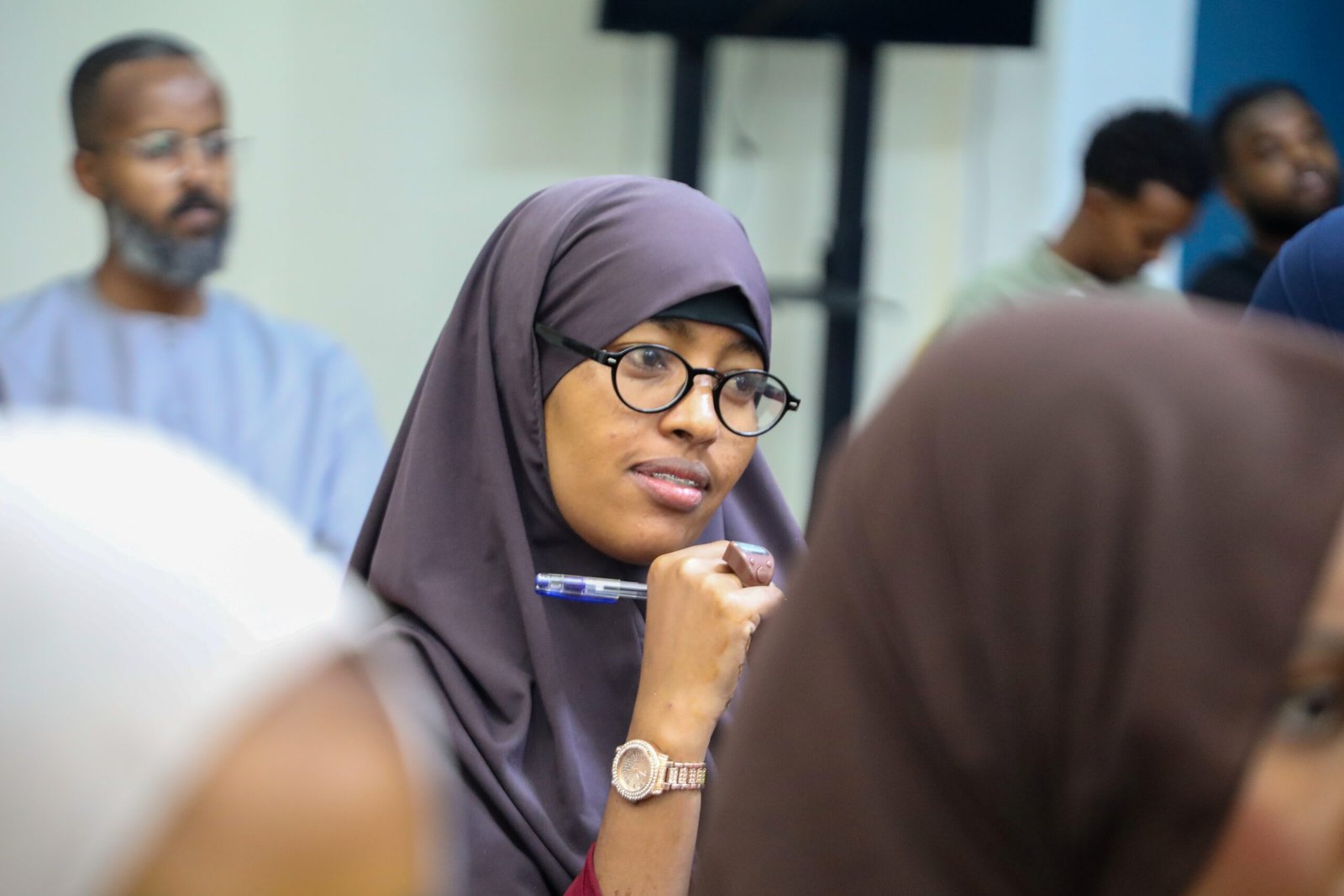
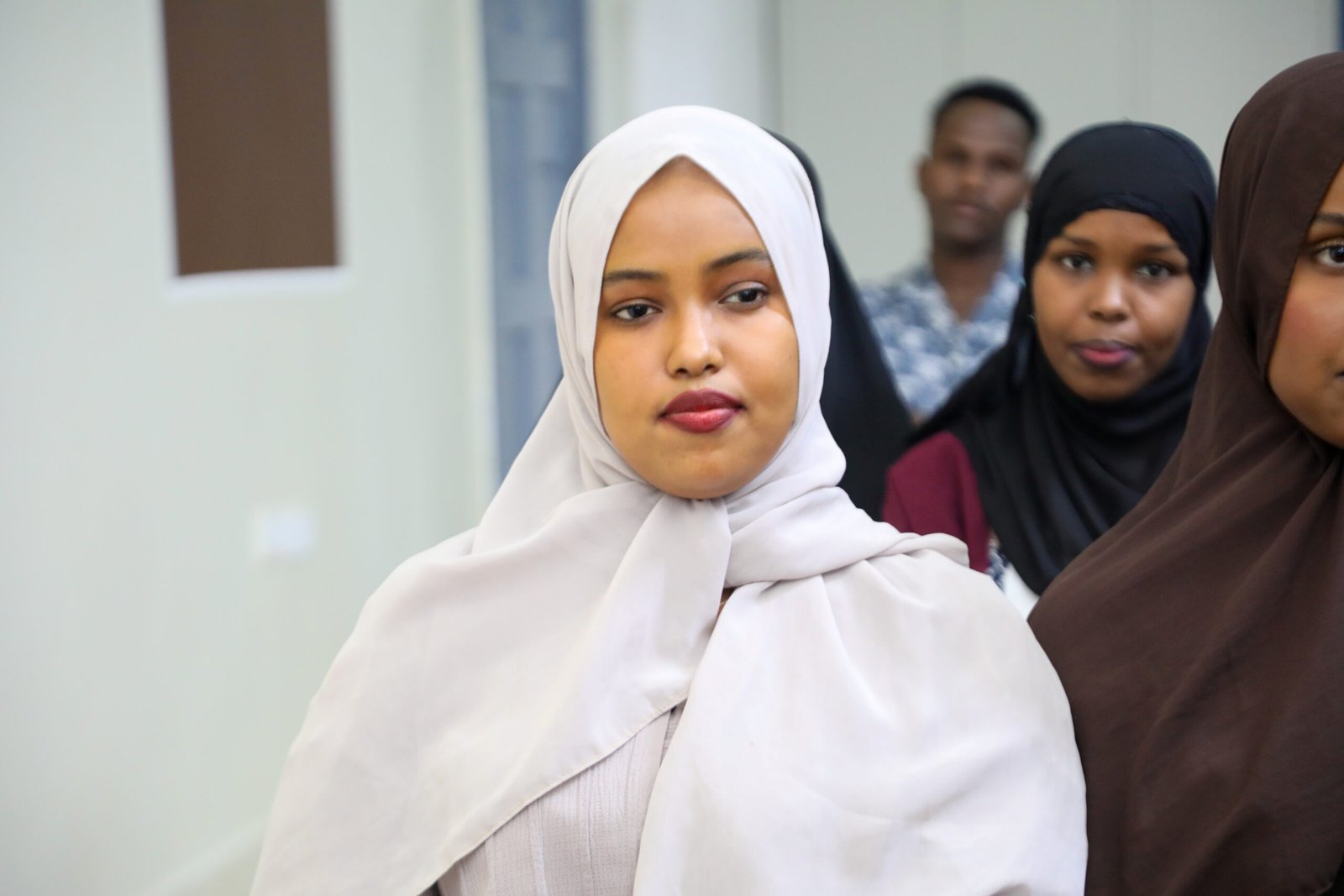
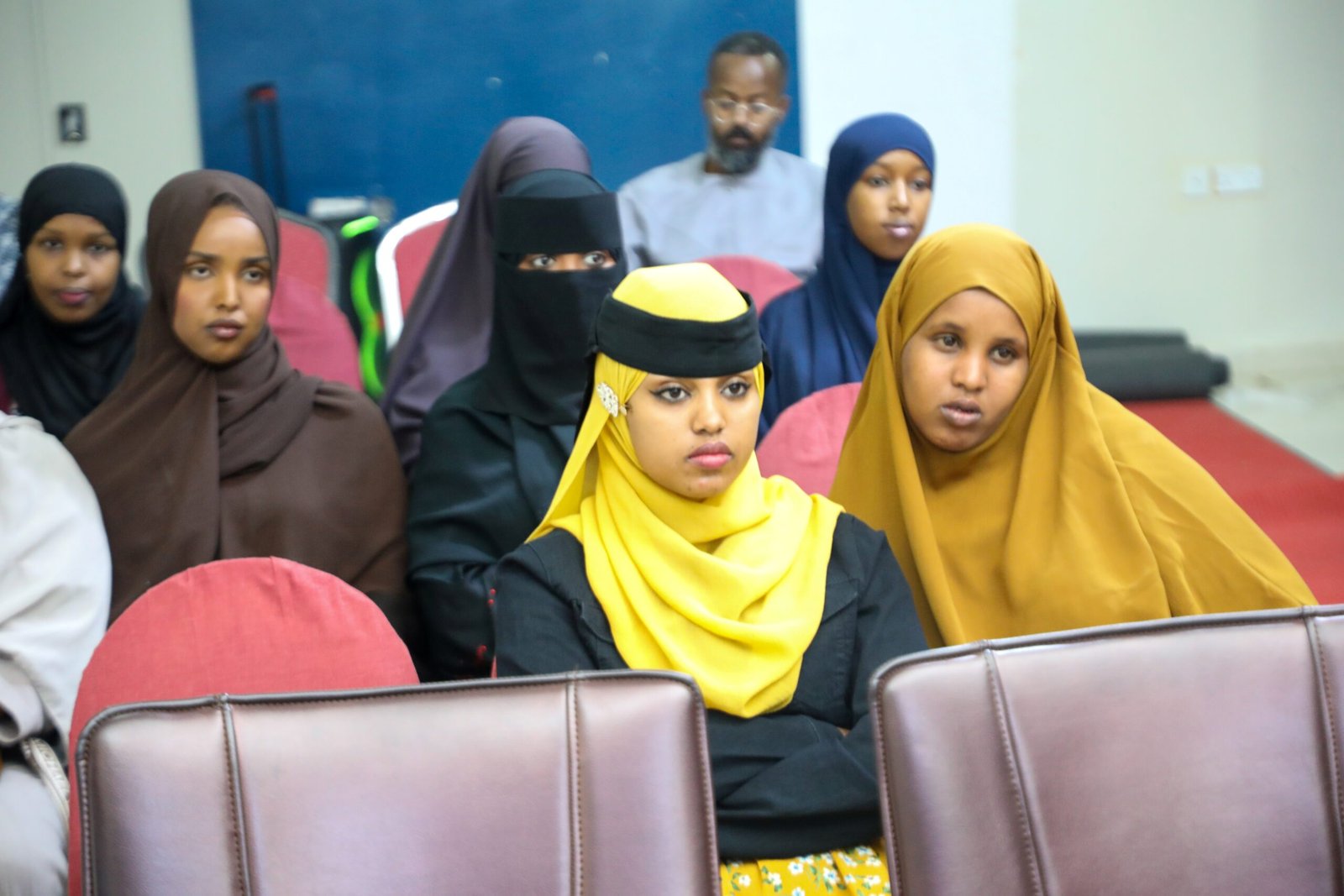
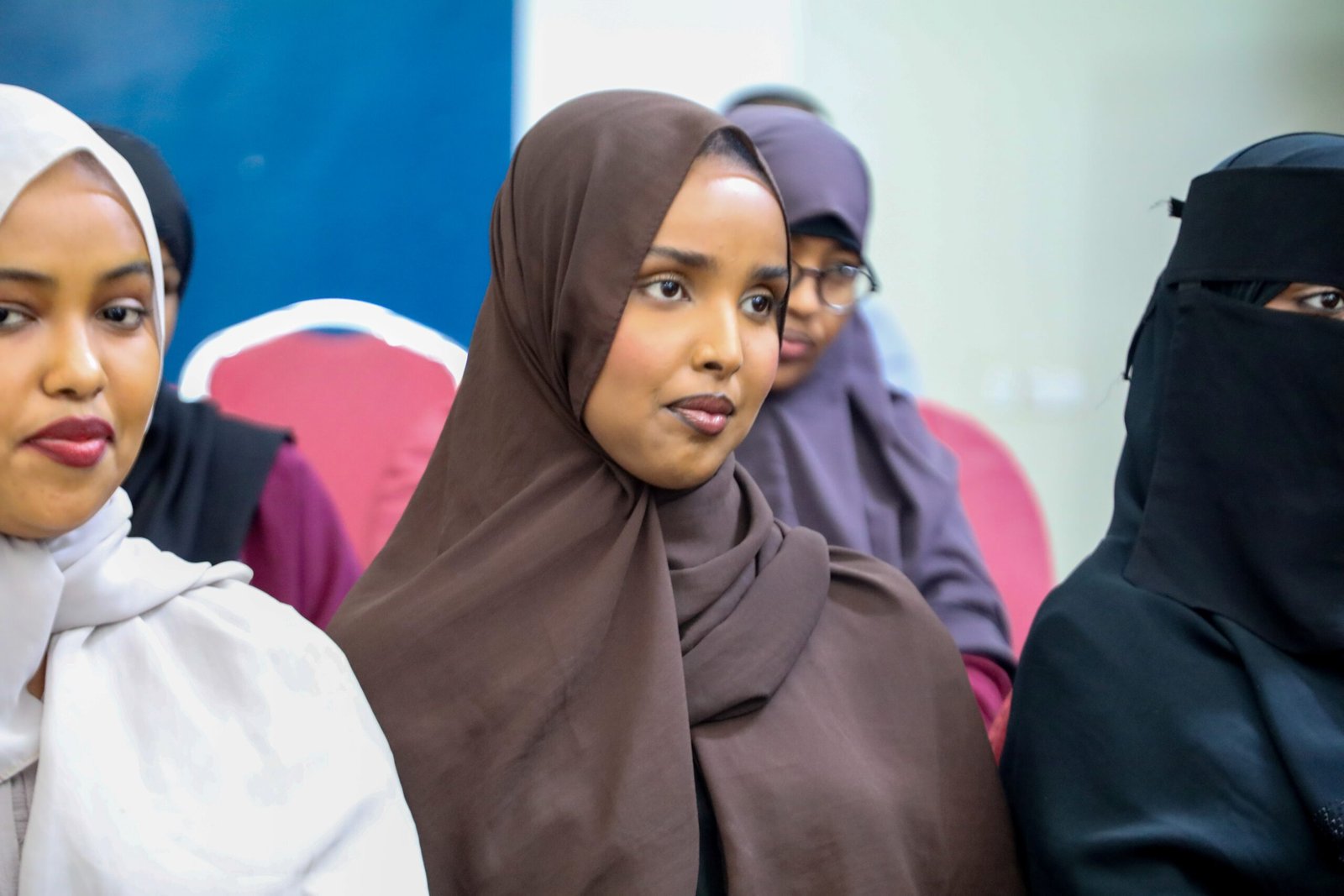
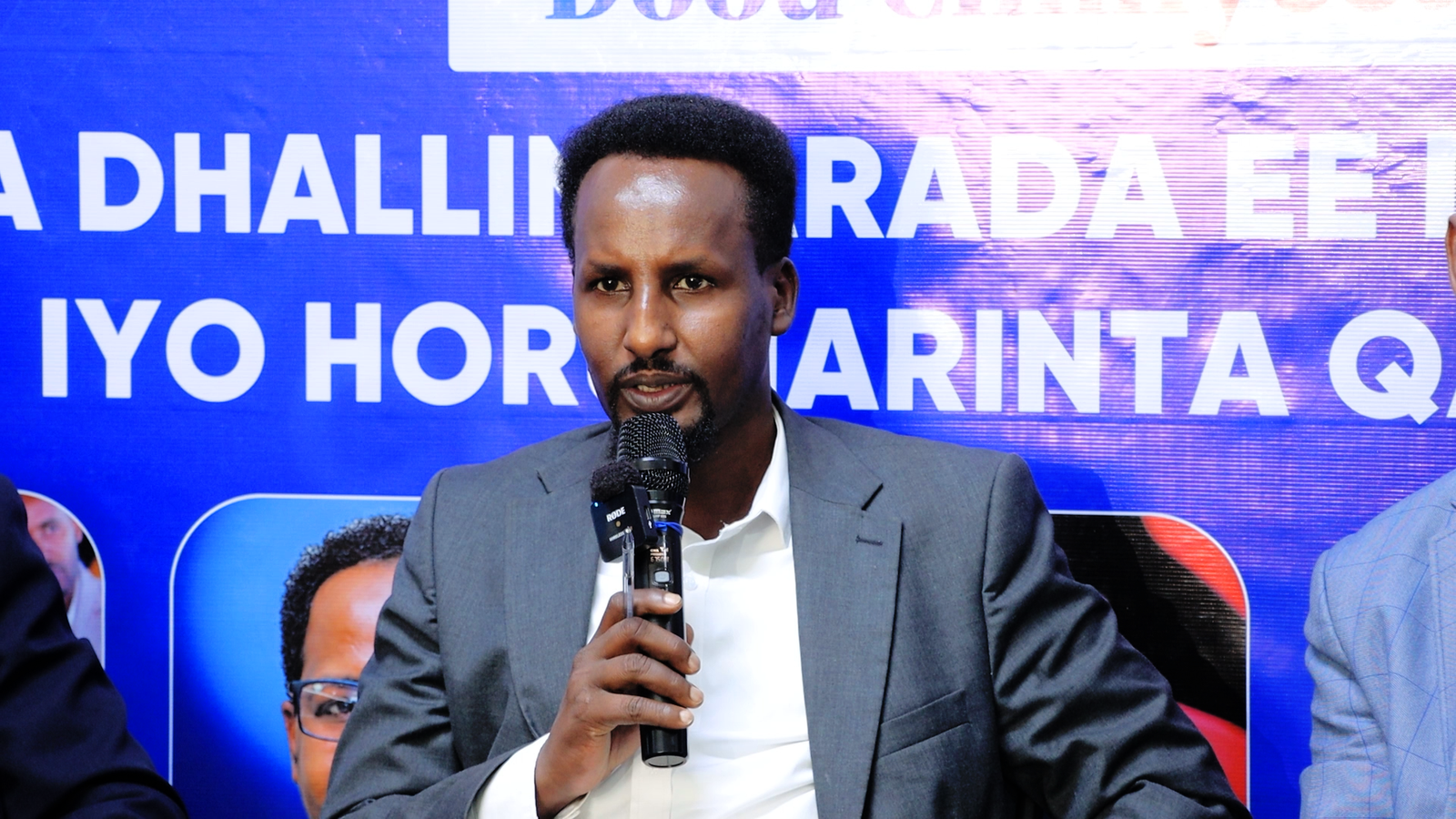
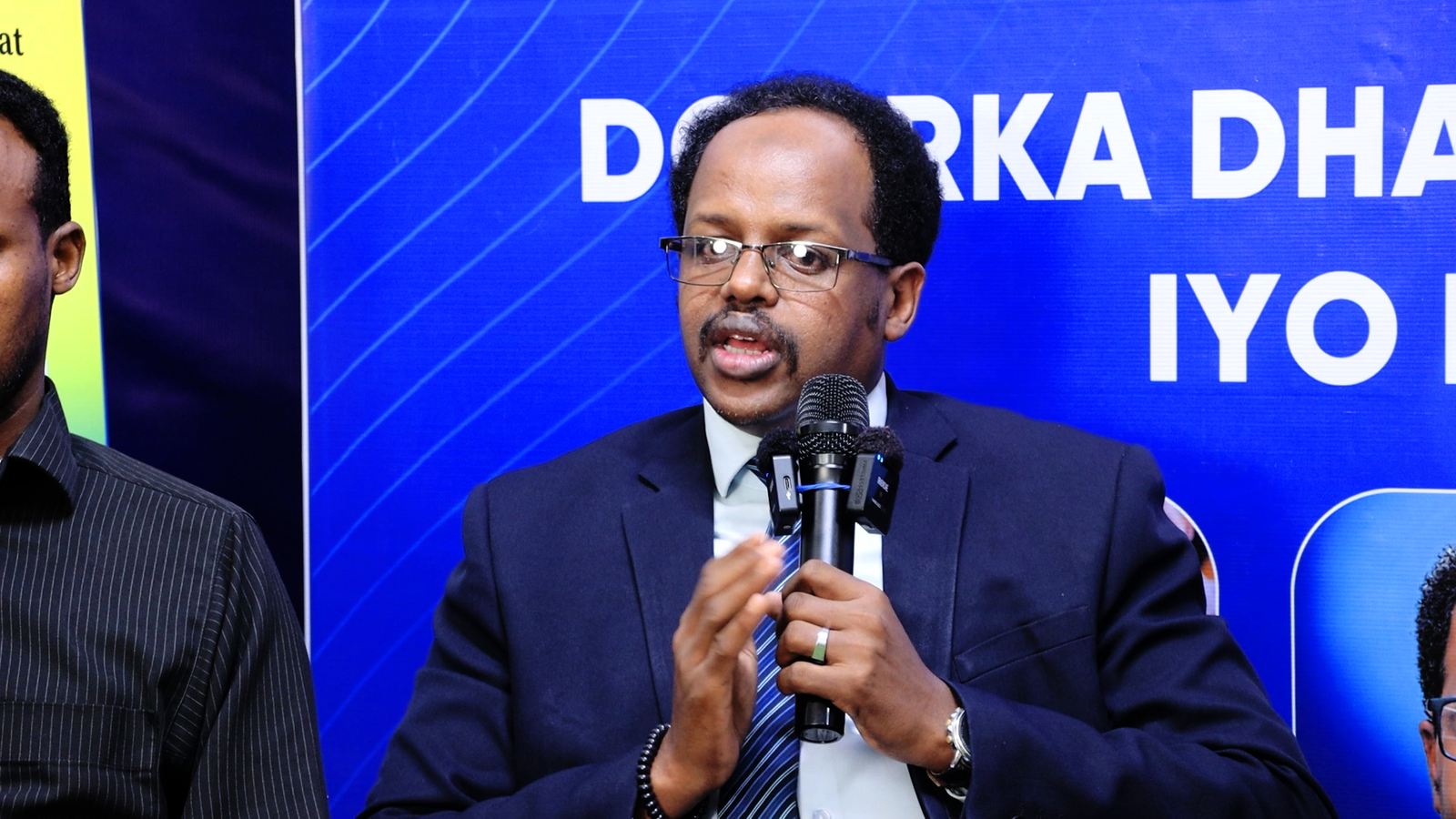
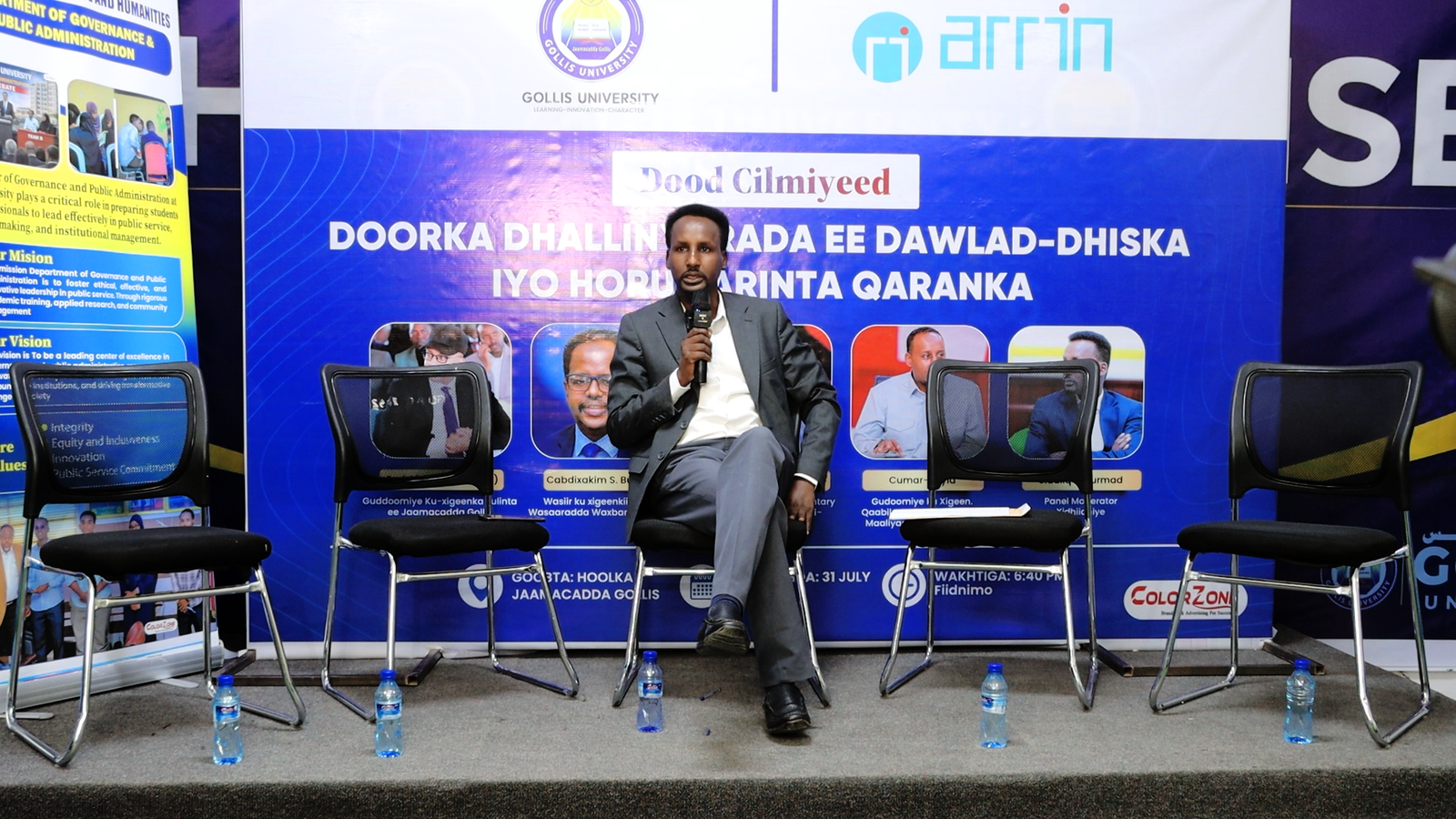
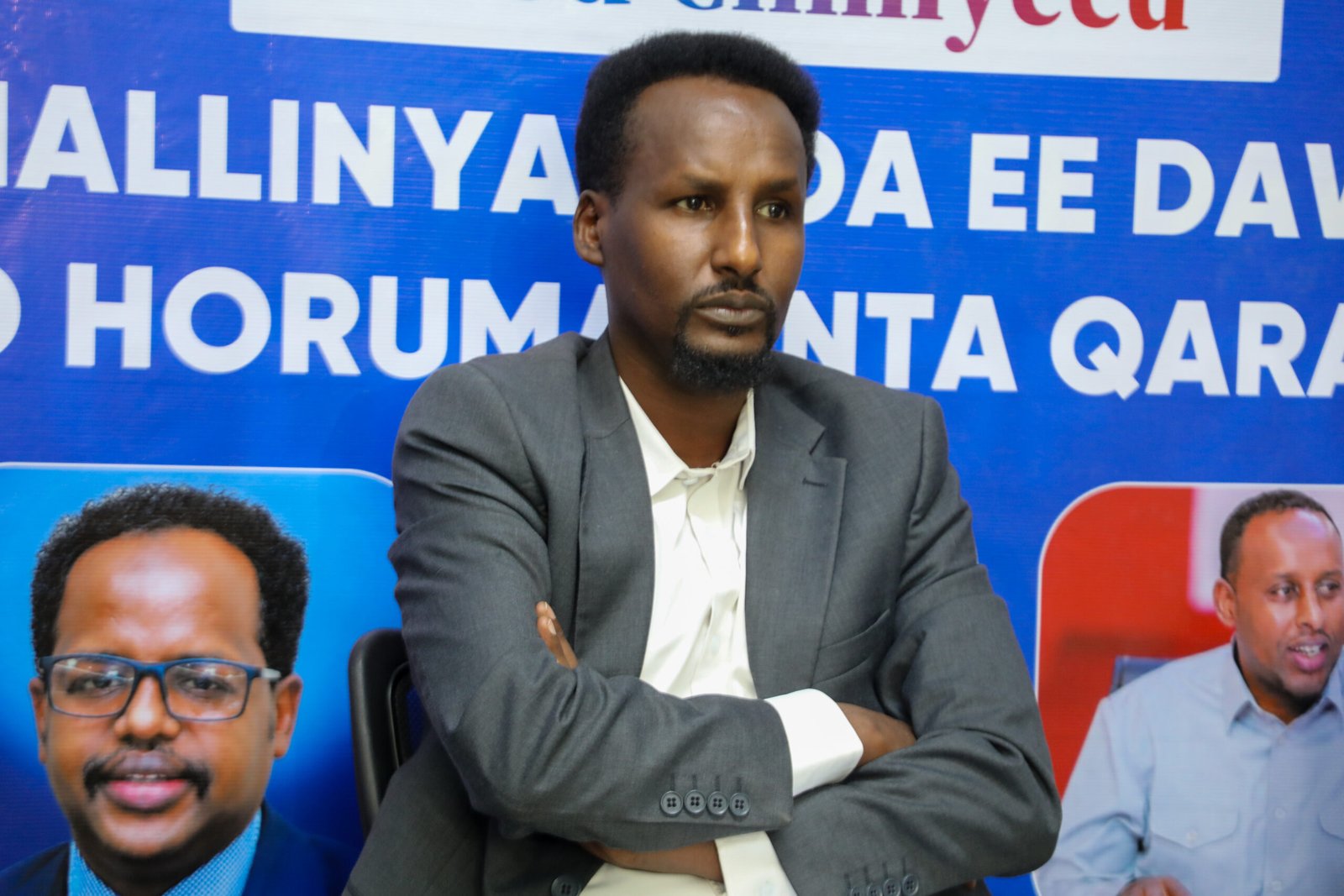
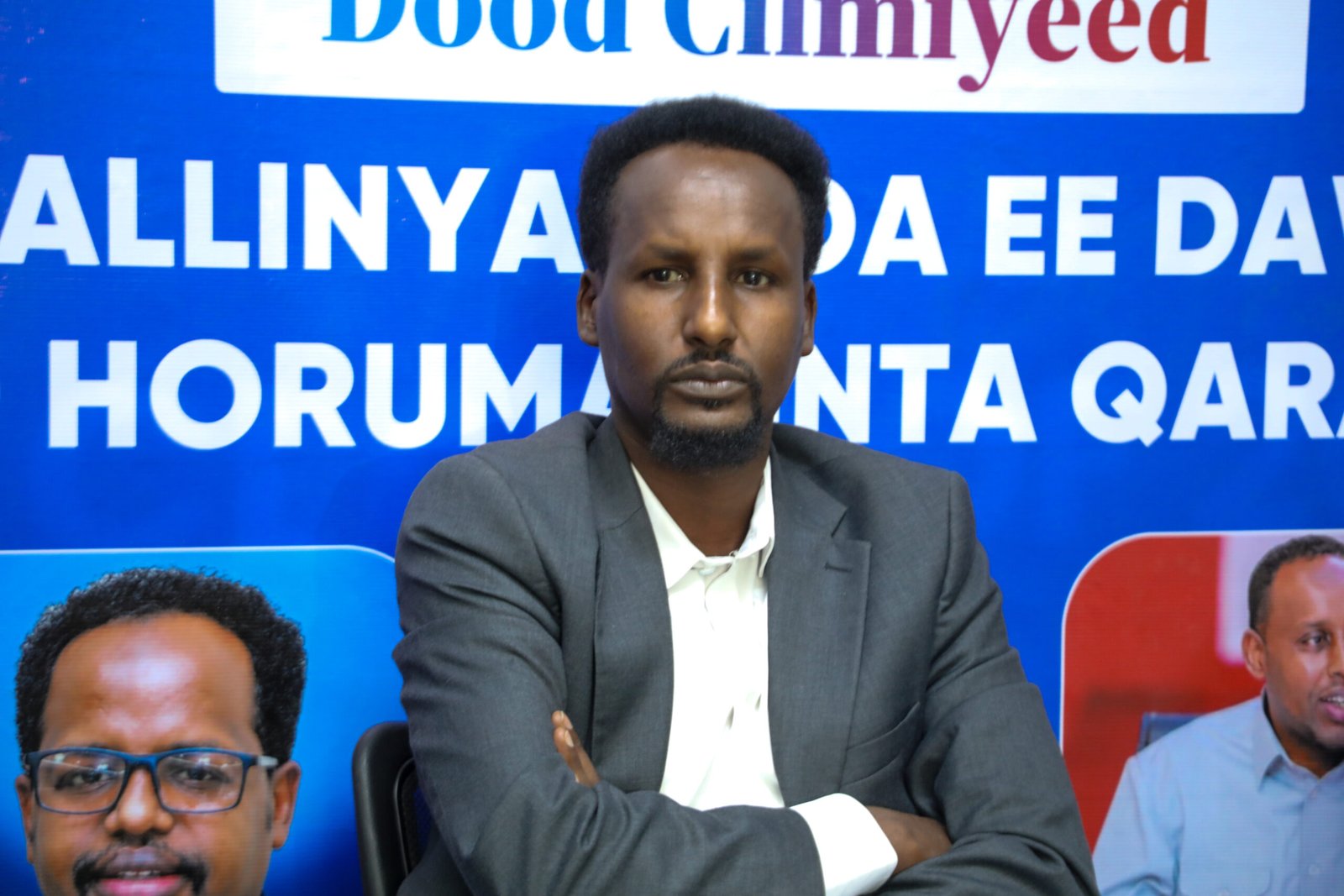
ARRIN Social Inc. and Gollis University jointly organized a public panel discussion exploring one of Somaliland’s most pressing civic and governance challenges: why young people and women remain significantly underrepresented in political leadership and decision-making.
For decades, political leadership in Somaliland has largely remained in the hands of older generations, including political figures whose experience dates back to the pre-1991 period. Despite young people and women making up a significant majority of the population, relatively few young people have been able to access meaningful political leadership and decision-making spaces.
The panel created an important platform for young political voices to openly discuss the barriers behind this imbalance. Participants highlighted several interconnected challenges, including limited access to financial resources, the continued influence of traditional elders in political decision-making, established political networks dominated by older generations, and social attitudes that can discourage young people from believing that they can compete for leadership positions.
Rather than focusing only on the challenges, the discussion also explored practical pathways for change. Speakers emphasized the importance of youth solidarity, stronger networks, collective action, leadership development, and creating platforms through which young people and women can organize, support one another, and meaningfully participate in political processes.
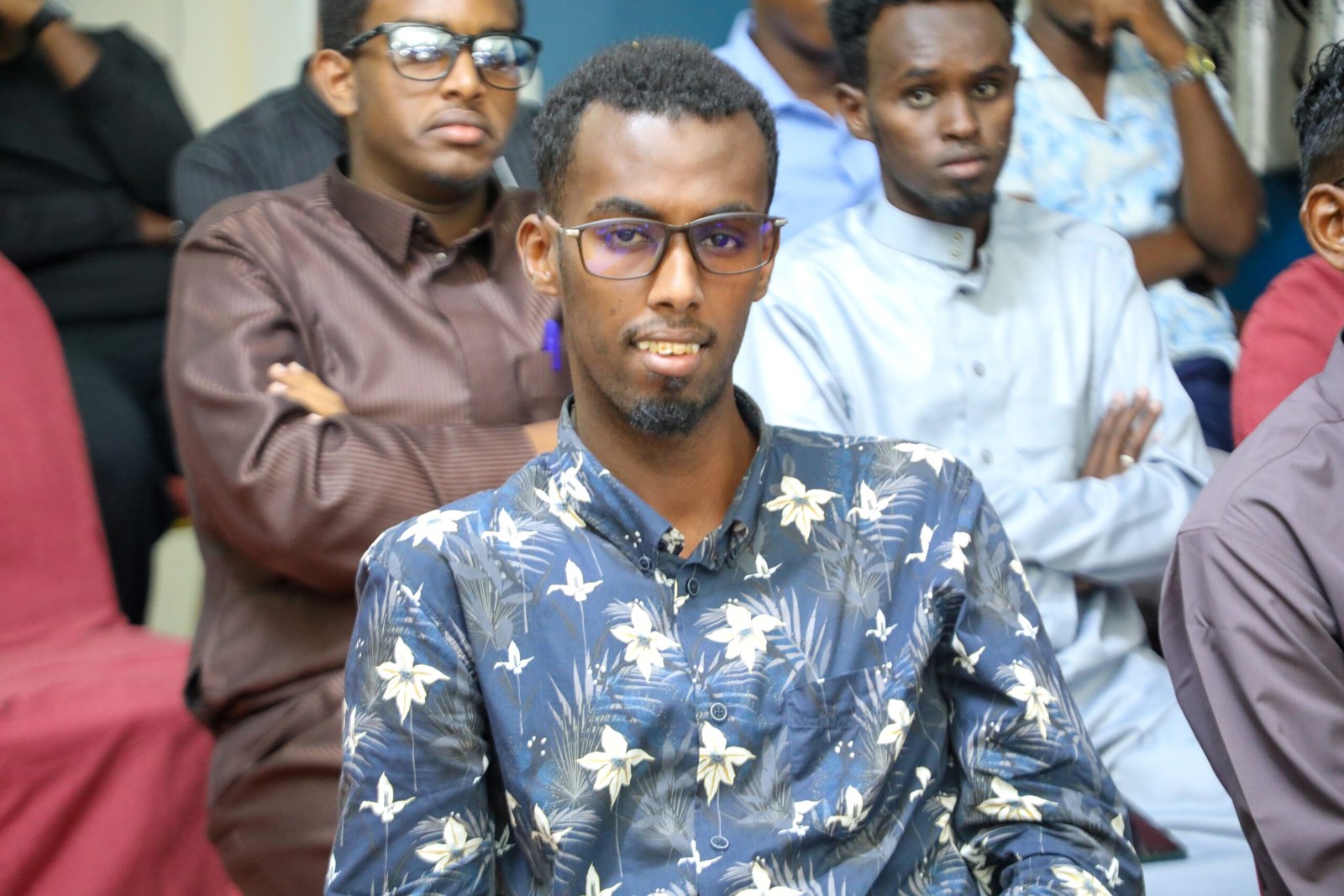
The discussion gained strong public attention and generated significant debate across the community, particularly among young people and women. It opened space for conversations that had rarely been examined so directly: not only whether youth and women are represented in politics, but what keeps them out, who benefits from the status quo, and what can be done to change it.
For ARRIN Social Inc., the initiative demonstrated the power of evidence-informed dialogue, inclusive storytelling, and media engagement in bringing important civic issues into the public conversation and creating opportunities for communities to reflect, question existing systems, and explore solutions.
Read more: Youth & Women in Politics: Breaking Barriers, Building Voices